
10 Food and Nutrition Trends Shaping 2026: Opportunities for F&B Manufacturers in Vietnam
The food and beverage industry is entering a new phase of innovation. Consumers are no longer choosing products based on taste alone. They are also looking for nutritional value, recognizable ingredients, convenience, sensory appeal and products that fit their individual lifestyles.
According to Good Housekeeping’s overview of the leading food and nutrition trends for 2026, dietary fiber, natural energy drinks, fermented foods, sweet and spicy flavors, convenient family meals and personalized nutrition are expected to gain further momentum. These trends are creating new opportunities for food manufacturers, ingredient suppliers and product development teams.
For F&B manufacturers in Vietnam, the key challenge is not simply identifying the next trend. It is translating that trend into a commercially viable product with stable formulation, reliable production performance, competitive cost and regulatory compliance.
1. Olive Oil Moves from a Basic Ingredient to a Premium Product

Olive oil is increasingly being positioned as more than a cooking oil. Consumers are paying greater attention to its origin, harvest date, polyphenol content, flavor profile and packaging format.
Premium olive oil products are being described through tasting notes such as:
Grassy;
Fruity;
Buttery;
Herbal;
Peppery;
Smooth or intense.
Flavored olive oils infused with herbs, citrus or spices are also creating new opportunities for premium food applications.
For food manufacturers, olive oil can be incorporated into:
Savory crackers;
Popcorn;
Granola;
Salad dressings;
Sauces;
Bakery products;
Premium snacks;
Functional food and beverage concepts.
From a technical perspective, product developers should evaluate oxidation stability, rancidity, light exposure, oxygen levels and the compatibility between olive oil, flavorings and other ingredients.
Packaging also plays an important role. Light-protective materials, controlled headspace and appropriate sealing systems can help preserve product quality throughout its shelf life.
2. Dietary Fiber Becomes a Key Ingredient in Beverages and Snacks

Following the strong growth of high-protein products, dietary fiber is becoming one of the most relevant ingredients in functional food and beverage development.
Common fiber ingredients include:
Inulin;
Psyllium husk;
Acacia fiber;
Oat fiber;
Resistant starch;
Wheat dextrin;
Other prebiotic fibers.
Potential applications include:
Fiber-fortified beverages;
Prebiotic sparkling drinks;
Electrolyte beverages;
Nutrition bars;
High-fiber biscuits;
Plant-based beverages;
Powdered drink mixes;
Wellness-oriented snacks.
However, fiber fortification requires more than simply adding a higher dosage to the formula. Product developers need to assess:
Solubility;
Viscosity;
Clarity;
Sedimentation;
Mouthfeel;
Flavor impact;
Interaction with proteins and minerals;
Heat stability during pasteurization or UHT processing.
The objective is to deliver a meaningful nutritional benefit while maintaining a pleasant taste and drinking experience.
For the Vietnamese market, fiber can be particularly relevant in convenient beverages, yogurt drinks, plant-based milk, snack bars and low-sugar products.
3. Pistachio Continues to Grow in Premium Food Categories
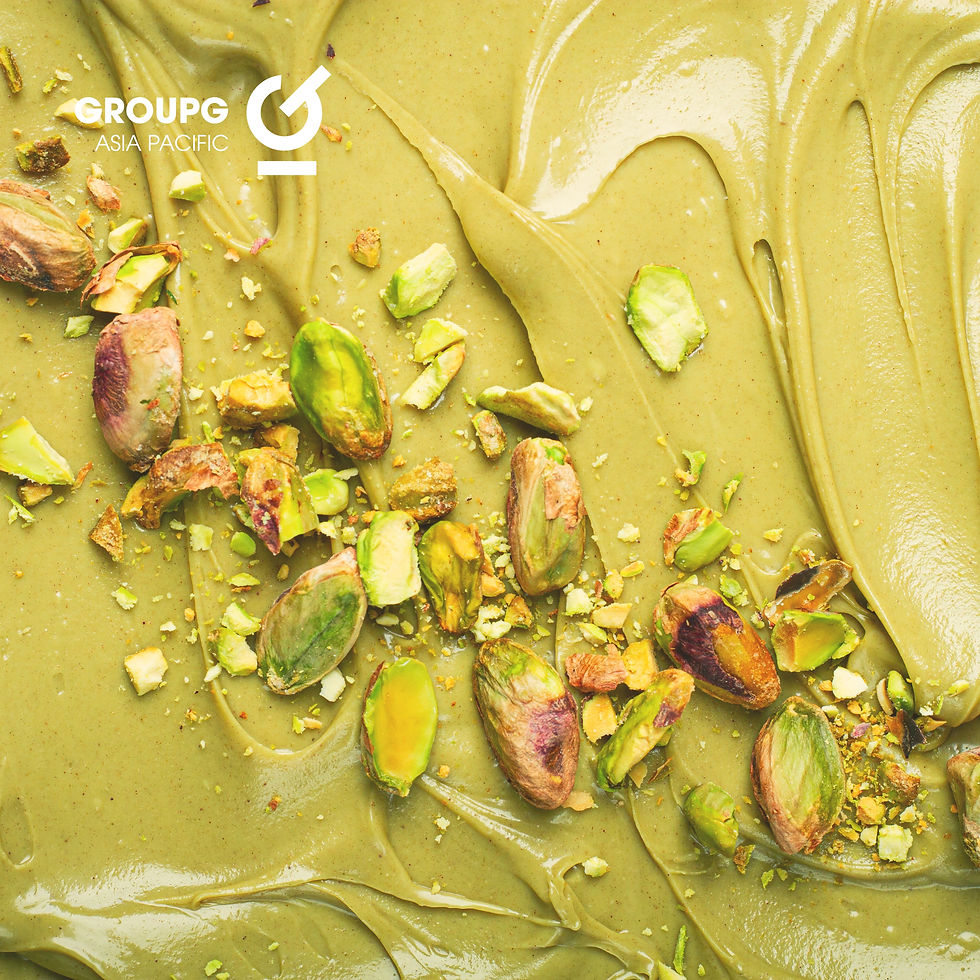
Pistachio is gaining visibility across chocolate, ice cream, bakery, spreads, beverages and snacks.
Its distinctive green color, recognizable flavor and premium image make it attractive for product developers seeking to create a more elevated consumer proposition.
Potential applications include:
Chocolate; spread; Ice cream and gelato;
Cookies and wafers; Nutrition bars;
Plant-based desserts; Pistachio latte;
Toppings and snack mixes.
Manufacturers should consider several technical factors, including allergen management, color stability, flavor consistency, oil separation, dispersion and texture during storage.
Pistachio flavor can also be used alongside real pistachio ingredients to deliver a more consistent sensory profile and better cost control, particularly in large-scale production.
4. Natural Energy Drinks Offer an Alternative to Traditional Energy Beverages

Consumers are increasingly looking for energy products that provide alertness without excessive sweetness or an overly aggressive stimulant effect.
The category is expanding through ingredients such as:
Matcha;Yerba mate;
Coffee;
Tea extracts;
Botanical extracts;
Functional mushrooms;
Adaptogenic ingredients.
These ingredients can be applied in:
Ready-to-drink tea;
Matcha beverages;
Ready-to-drink coffee;
Functional sparkling water;
Energy shots;
Powdered drink sticks;
Active lifestyle beverages.
However, “natural” does not automatically mean unlimited or risk-free. Manufacturers must evaluate total caffeine content, botanical extract stability, bitterness, aftertaste and the interaction between active ingredients.
Flavor systems such as citrus, berry, vanilla, caramel, chocolate and milk tea can help mask bitterness and create a more approachable taste profile.
For Vietnam, natural energy beverages may be especially relevant to younger consumers, office workers, students and active consumers looking for alternatives to conventional high-sugar energy drinks.
5. Sweet and Spicy Flavors Create More Exciting Sensory Experiences

“Swicy” combines sweet and spicy flavors, delivering an initial sweetness followed by a pleasant, lingering heat.
The combination of sweet and spicy flavors is becoming increasingly popular across snacks, sauces, seasonings and confectionery.
Examples include:
Hot honey;
Chili chocolate;
Mango chili; Pineapple chili;
Sweet chili; Caramel chili;
Sweet and spicy barbecue;
Honey mustard with chili.
This flavor combination works because it creates contrast. Sweetness delivers familiarity, while heat adds excitement and encourages repeat tasting.
Potential applications include:
Potato snacks;
Instant noodles;
Seasoning blends;
Dipping sauces;
Coated nuts;
Savory biscuits;
Chocolate;
Fruit-based snacks.
From a formulation perspective, manufacturers need to balance sweetness, acidity, saltiness, umami, chili intensity and aftertaste.
The timing of heat release is also important. A product may require immediate heat, delayed heat or a gradual build-up depending on its intended positioning and consumer target.
6. Fermented Foods Expand Beyond Yogurt and Kombucha

Fermentation is being reimagined as both a processing method and a source of distinctive flavor.
Beyond traditional products such as yogurt, kimchi, soy sauce and kombucha, new applications include:
Fermented sauces;
Fermented hot sauces;
Fermented pickles;
Fermented olives;
Fermented nut spreads;
Specialty bread;
Probiotic beverages;
Post-fermentation ingredients.
Fermentation can create more complex flavors, strengthen product differentiation and support a natural product story.
Nevertheless, fermented products require strong process control. Key parameters include:
Microbial strain;
pH;
Acidity;
Water activity;
Fermentation temperature;
Fermentation time;
Contamination control;
Viability of live cultures;
Microbiological stability;
Shelf-life performance.
Manufacturers should also distinguish between products containing live cultures, probiotic products, postbiotic products and products that simply use fermented ingredients or fermented flavor profiles.
Each category has different requirements for testing, substantiation, labeling and product communication.
7. Specialty Citrus Flavors Bring Brightness to Food and Beverages

Citrus flavors such as yuzu, calamansi, pomelo, bergamot and other specialty citrus varieties are gaining momentum across beverages, confectionery, sauces and desserts.
These flavors can provide:
Freshness;
Bright acidity;
Floral notes;
Tropical character;
Refreshment;
A more sophisticated flavor profile.
Potential applications include:
Yuzu sparkling water;
Calamansi lemonade;
Pomelo beverages;
Bergamot tea;
Citrus kombucha;
Gummies;
Fruit fillings;
Salad dressings;
Marinades and sauces.
From a technical standpoint, citrus applications require evaluation of acid stability, heat resistance, cloud stability, emulsion performance and interaction with ingredients such as vitamin C.
The choice between juice concentrate, puree, natural flavor, synthetic flavor or emulsion will influence cost, stability, labeling and sensory performance.
For Vietnamese manufacturers, citrus flavors can be adapted to local preferences through combinations such as calamansi and tea, pomelo and sparkling water, or bergamot and milk tea.
8. Convenient Meals Must Deliver More Than Speed

Ready-to-eat and heat-and-serve products continue to grow as consumers look for convenient meal solutions. However, convenience alone is no longer enough.
Consumers are increasingly evaluating:
Protein content;
Added sugar;
Sodium;
Ingredient transparency;
Portion size;
Family suitability;
Heating convenience;
Overall nutritional balance.
Potential product categories include:
Ready meals;
Family-size meals;
Heat-and-serve rice;
Instant soups;
Sauces;
Frozen meals;
Children’s nutrition products;
High-protein convenience foods.
The main technical challenge is maintaining product quality after retort processing, pasteurization, freezing or reheating.
Manufacturers need to assess changes in texture, color, flavor, protein stability and water retention throughout the product’s shelf life.
Clean-label development should also be approached practically. Reducing unnecessary additives does not mean eliminating all functional ingredients. The objective is to use clearly understood ingredients that serve a defined technological purpose.
9. Frozen Desserts Combine Nutrition with Indulgence

Consumers are seeking products that deliver enjoyment while also fitting their nutritional goals. This is driving interest in high-protein ice cream, frozen yogurt, fruit-based desserts and dairy-free frozen products.
Potential applications include:
High-protein ice cream;
Frozen yogurt;
Dairy-free frozen desserts;
Protein smoothies;
Fruit ice pops;
Reduced-sugar sorbets;
Yogurt-based frozen snacks.
When developing these products, manufacturers need to manage:
Freezing point;
Hardness;
Ice crystal formation;
Smoothness;
Melting rate;
Overrun;
Water retention;
Phase separation.
Protein, dietary fiber and alternative sweeteners can significantly influence texture and mouthfeel. A coordinated system of proteins, stabilizers, emulsifiers and texturizing ingredients is therefore essential.
For dairy manufacturers in Vietnam, high-protein yogurt and frozen yogurt offer opportunities to combine nutritional positioning with familiar and indulgent formats.
10. Artificial Intelligence Supports Personalized Nutrition and Product Development

Artificial intelligence is increasingly being used for meal planning, nutrition analysis, personalized recommendations and dietary tracking.
Within the food industry, artificial intelligence can support:
Consumer trend analysis;
Product concept development;
Nutritional optimization;
Nutrition facts calculation;
Flavor pairing;
Consumer segmentation;
Sensory feedback analysis;
Identification of market opportunities.
However, artificial intelligence should remain a supporting tool rather than a replacement for nutritionists, food technologists, quality teams or regulatory specialists.
AI-generated recommendations should be verified using reliable ingredient data, laboratory analysis, sensory testing, shelf-life studies and regulatory review.
Manufacturers should also pay attention to data quality, consumer privacy and the risk of generating recommendations that are too general or unsuitable for the local Vietnamese context.
What These Trends Mean for Vietnamese F&B Manufacturers
The trends above point to four strategic priorities for food and beverage companies in Vietnam.
Combine nutrition with sensory appeal
A product may be rich in protein, fiber or functional ingredients, but it will not succeed commercially unless it also tastes good and delivers a pleasant consumer experience.
Add nutritional value to familiar formats
Instead of limiting functional nutrition to powders or capsules, manufacturers can incorporate protein, fiber, probiotics and plant-based ingredients into yogurt, beverages, snacks, desserts and convenient meals.
Choose versatile ingredients
Ingredients such as citrus flavors, botanical extracts, dietary fibers, plant proteins, stabilizers and fermented ingredients can be applied across multiple product categories. This helps manufacturers shorten development time and improve commercial flexibility.
Validate global trends with local market data
International trends provide useful direction, but they should not replace local evidence. Manufacturers should combine:
Consumer research;
Customer interviews;
Sensory evaluation;
Prototype testing;
Cost-in-use analysis;
Shelf-life testing;
Regulatory assessment;
Pilot-scale production trials.
Conclusion
The leading food and nutrition trends of 2026 show that the market is moving from “healthy or enjoyable” to “healthy and enjoyable.”
Consumers want products that offer clear nutritional value, appealing flavors, convenient formats and transparent ingredient stories.
For Vietnamese food and beverage manufacturers, the greatest opportunity lies in transforming global trends into products that are technically stable, commercially viable, cost-effective and suited to local consumer expectations.
From high-protein foods and dietary fiber to natural energy drinks, fermented products, sweet and spicy flavors and specialty citrus applications, successful innovation will require close collaboration between marketing, research and development, quality assurance, regulatory affairs and supply chain teams.

![[CLEAN LABEL TRENDS] BANANA SYRUP: Sugar Reduction Meets Functional Boost](https://static.wixstatic.com/media/d1e7d0_b4326836e97d4697963563afd99ec476~mv2.jpg/v1/fill/w_980,h_980,al_c,q_85,usm_0.66_1.00_0.01,enc_avif,quality_auto/d1e7d0_b4326836e97d4697963563afd99ec476~mv2.jpg)

Comments